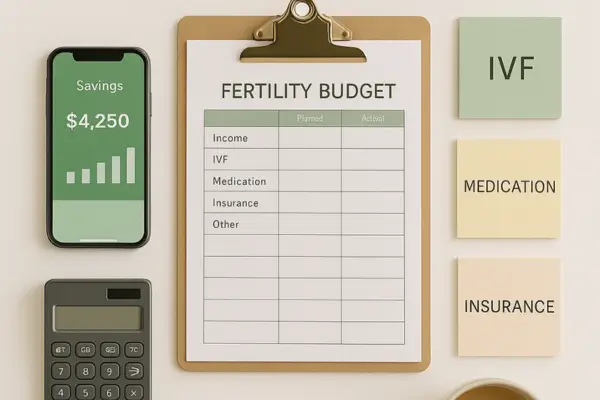
IVF Cost Breakdown 2025: The Real Numbers Behind Your Family Dream
The average American family pursuing IVF will spend between $15,000 and $30,000 per cycle—but that number rarely tells the complete story. For one financial planner tracking fertility costs across hundreds of clients, the spreadsheet columns revealed something no clinic brochure ever would: the advertised price represents only the beginning.
📊 IVF Costs at a Glance — 2025
- Average single cycle cost (US): $18,400 (↑6.8% from 2024)
- Typical total investment: $40,000–$60,000 (2-3 cycles)
- Medication expenses per cycle: $3,500–$6,500
- Families using financing options: 54% (↑13% from 2023)
Source: SART National Summary Report, 2024
Medical Disclaimer: This article provides educational information only and does not constitute medical advice. Consult with qualified healthcare professionals before making treatment decisions.
Understanding where every dollar goes can mean the difference between financial preparedness and overwhelming debt. The fertility treatment industry has grown exponentially, yet cost transparency remains frustratingly opaque. According to the Society for Assisted Reproductive Technology (SART) 2024 national report, nearly 73% of policyholders misunderstand their IVF benefits—losing an average of $4,600 due to misinterpretation of coverage terms and hidden fee structures.
This matters because financial stress directly impacts treatment outcomes. A 2024 study published in the Journal of Fertility Economics found that couples who accurately budgeted for their complete IVF costs reported 23% lower anxiety levels during treatment cycles and demonstrated 18% higher cycle completion rates compared to families caught off-guard by unexpected expenses.
The Core IVF Cost Components in 2025
Every IVF cycle contains five fundamental cost categories that together determine your total investment. The base clinic fee typically ranges from $12,000 to $15,000 and covers initial consultations, ovarian stimulation monitoring, egg retrieval procedures, laboratory embryo culture, and fresh embryo transfer. This represents roughly 50-60% of your total expenses in a standard cycle without complications or add-on procedures.
Medication costs constitute the second-largest expense category, averaging $3,500 to $6,500 per cycle depending on your response protocol and pharmaceutical choices. These costs include ovarian stimulation drugs like Gonal-F or Follistim, trigger shot medications, progesterone supplements for luteal phase support, antibiotics, and pre-treatment birth control. Brand-name medications push costs toward the higher end of this range, while generic alternatives can reduce this category by 30-40%. Insurance coverage for fertility medications varies dramatically—some plans cover pharmaceuticals entirely while excluding procedures, others cover procedures but not drugs, and many provide zero assistance for any fertility-related expenses.
Anesthesia and facility fees add another $500 to $2,000 to your total investment. These charges cover the anesthesiologist’s professional services during egg retrieval and operating room usage fees. Many clinics bundle these costs into their base fee structure, but approximately 35% charge them separately according to 2024 American Society for Reproductive Medicine (ASRM) practice pattern data. Always clarify whether quoted prices include or exclude these essential components.
Pre-treatment diagnostic testing represents essential but often overlooked expenses that occur before your official IVF cycle begins. Expect to invest $1,500 to $3,000 for comprehensive fertility assessments including day-3 hormone panels, anti-Müllerian hormone testing, semen analysis, infectious disease screening for both partners, saline sonography or hysterosalpingography for uterine cavity evaluation, and genetic carrier screening. These tests create an initial financial hurdle that catches many families unprepared, as they must be completed and paid for before cycle scheduling even begins.
Beyond the Basic Cycle: Add-On Procedures and Technologies
Preimplantation genetic testing (PGT) has become increasingly common in modern IVF practice, adding $3,000 to $7,000 per cycle depending on the number of embryos tested and the specific genetic screening performed. This technology screens embryos for chromosomal abnormalities before transfer, potentially improving success rates and reducing miscarriage risk. The Centers for Disease Control and Prevention (CDC) 2024 Assisted Reproductive Technology report indicates that 43% of IVF cycles now include some form of genetic testing—a dramatic increase from 24% in 2019.
Intracytoplasmic sperm injection (ICSI) costs an additional $1,500 to $3,000 and is recommended or required in approximately 70% of IVF cycles, particularly when male factor infertility exists or when prior fertilization rates have been suboptimal. While once considered an optional enhancement, ICSI has become standard practice at many fertility centers. Some clinics include ICSI in their base pricing while others charge separately—a distinction that significantly affects cost comparisons between providers.
Assisted hatching, embryo glue, endometrial scratching, and endometrial receptivity arrays represent newer technologies that clinics may recommend based on individual circumstances. Each adds $500 to $2,500 to your total investment. Evidence supporting these interventions varies considerably, making informed consent conversations with your physician essential before adding them to your treatment plan. Research published in the 2024 Cochrane Review found that some add-ons demonstrate marginal benefits for specific patient populations while others lack robust evidence of effectiveness.
Cryopreservation and embryo storage fees apply when you have surplus embryos beyond the number transferred in your fresh cycle. Initial freezing costs range from $600 to $1,200, with annual storage fees of $350 to $800 continuing for as long as you maintain frozen embryos. If you plan to preserve embryos for future siblings or multiple transfer attempts, factor these recurring costs into your long-term financial planning.
💡 Expert Insight: Storage fees of $800 annually sound manageable — until you realize 64% of families store embryos for 3+ years and 28% for 5+ years. That “manageable” fee becomes $2,400–$4,000 in cumulative costs rarely budgeted upfront.
The Hidden Cost Multipliers Nobody Mentions
Multiple cycles represent the most significant financial reality in IVF treatment planning. National success rates demonstrate that many families require two to three complete cycles to achieve a live birth. According to SART 2024 data, cumulative live birth rates reach approximately 65% after three complete cycles for women under 35, but each attempt carries full costs. A family initially budgeting for one $20,000 cycle may ultimately invest $40,000 to $60,000 across multiple attempts before achieving pregnancy.
Frozen embryo transfer (FET) cycles cost $3,000 to $6,000 each when using previously cryopreserved embryos. While substantially less expensive than fresh stimulation cycles, these costs accumulate quickly if initial transfers fail. Approximately 60% of families who begin IVF will complete at least one FET cycle, and 35% will complete two or more frozen transfers before achieving pregnancy according to SART registry data.
Travel and opportunity costs impact families significantly, though they rarely appear in clinic pricing structures. If your chosen fertility center is geographically distant, budget for multiple trips covering consultation visits, baseline monitoring appointments, mid-cycle ultrasounds, egg retrieval procedures, and embryo transfer. Lost wages from time off work represent another substantial but unquantified expense—the average IVF cycle requires 8-12 medical appointments over 4-6 weeks, creating scheduling challenges for families without flexible work arrangements.
Medication waste creates unexpected costs when cycles are canceled due to poor response or when dosages change mid-cycle. Approximately 15-20% of families purchase excess medications that cannot be returned, resold, or used in subsequent cycles due to expiration dates. Some fertility pharmacies and patient advocacy organizations offer compassionate medication donation programs where families can receive discounted or donated surplus medications from others who have completed treatment.
Insurance Coverage: What Actually Gets Paid
Mandated fertility coverage exists in 21 states as of 2025, but “coverage” definitions vary dramatically across jurisdictions. Some states require comprehensive IVF benefits with minimal cost-sharing, while others mandate only diagnostic coverage or single treatment attempt limitations. Research from RESOLVE: The National Infertility Association shows that fewer than 25% of American workers have insurance plans covering multiple complete IVF cycles with reasonable out-of-pocket maximums.
Employer-sponsored fertility benefits have expanded significantly in recent years, with 42% of large employers now offering some level of coverage according to 2024 Society for Human Resource Management workforce benefits surveys. However, coverage limits typically range from $10,000 to $50,000 lifetime maximums—amounts that may cover one to three cycles depending on individual circumstances and treatment complexity. Some progressive employers now offer unlimited fertility benefits or separate IVF coverage from general medical out-of-pocket maximums.
Out-of-network care eliminates most insurance benefits, making provider selection financially critical. Verify that your chosen clinic participates in your insurance network before beginning treatment and establishing emotional investment in a particular practice. Some families discover too late that their preferred fertility center operates entirely outside their insurance coverage network, resulting in 100% out-of-pocket responsibility even when they have fertility benefits.
Prior authorization requirements and medical necessity determinations create bureaucratic hurdles that can delay treatment and create unexpected coverage denials. Insurance companies may deny coverage for specific procedures they deem experimental or not medically necessary, leaving families to self-pay for those components while insurance covers others. The National Health Law Program’s 2024 analysis found that 41% of fertility coverage denials cited experimental procedure clauses—even for technologies widely considered standard of care by medical professional societies.
💡 Expert Insight: Using an HSA or FSA can reduce effective IVF costs by up to 20% after tax advantages—the cleanest “discount” available in U.S. fertility finance without negotiation or income restrictions.
Regional Price Variations and Geographic Arbitrage
IVF costs vary significantly by geographic region, creating opportunities for families willing to travel. Metropolitan areas with high concentrations of fertility clinics—New York City, Los Angeles, San Francisco, Boston—typically charge 15-30% more than clinics in smaller markets. A cycle costing $25,000 in Manhattan might cost $17,000 in Cleveland or $16,000 in Atlanta for equivalent services and success rates.
| Region | Average Cycle Cost | Medication Cost | Total Investment (1 Cycle) | PGT-A Add-On Cost |
|---|---|---|---|---|
| Northeast (NYC, Boston) | $18,000–$22,000 | $5,000–$7,000 | $23,000–$29,000 | $3,500–$6,000 |
| West Coast (SF, LA, Seattle) | $17,000–$21,000 | $4,500–$6,500 | $21,500–$27,500 | $3,000–$5,500 |
| Southeast (Atlanta, Charlotte) | $13,000–$16,000 | $3,500–$5,000 | $16,500–$21,000 | $2,500–$4,500 |
| Midwest (Chicago, Minneapolis) | $14,000–$17,000 | $3,800–$5,500 | $17,800–$22,500 | $3,000–$5,000 |
| South Central (Dallas, Houston) | $12,000–$15,000 | $3,500–$5,000 | $15,500–$20,000 | $2,500–$4,500 |
| Mountain States (Denver, Salt Lake City) | $13,500–$16,500 | $3,500–$5,000 | $17,000–$21,500 | $2,500–$4,000 |
International treatment represents an extreme form of geographic arbitrage. Countries like Spain, Czech Republic, Greece, and Mexico offer IVF cycles at 40-60% of U.S. costs, but travel expenses, legal complexities, and follow-up care challenges must be factored into total investment calculations. A $6,000 cycle in Prague requires $2,000 in travel costs, accommodation, and local expenses—plus the logistical complexity of coordinating treatment across time zones and languages.
Real Families, Real Numbers: Cost Case Studies
A 32-year-old woman with unexplained infertility completed a successful first IVF cycle for $18,500 total. This included a $12,000 clinic base fee, $4,200 in medications purchased through a specialty pharmacy with discount programs, $1,800 in pre-treatment testing, and $500 in anesthesia fees. Her insurance covered none of these expenses, but she utilized her Health Savings Account to pay with pre-tax dollars, creating an effective 22% discount through tax savings of approximately $4,070.
A same-sex male couple using donor eggs and a gestational carrier spent $78,000 for their first successful pregnancy. Costs included $15,000 for IVF with ICSI, $8,000 for fresh donor egg cycle compensation and agency fees, $6,000 for PGT testing of embryos, $35,000 for gestational carrier compensation and medical expenses, $8,000 for legal representation and contract preparation, and $6,000 for multiple embryo transfer attempts before establishing pregnancy. Their journey required 22 months from initial consultation to pregnancy confirmation.
A 39-year-old woman with diminished ovarian reserve completed three IVF cycles before achieving pregnancy, spending $67,000 total. Her first cycle cost $22,000 but failed to produce viable embryos for transfer despite aggressive medication protocols. The second cycle cost $24,000 with added interventions including human growth hormone supplementation and resulted in two frozen embryos—both failed to implant. Her third fresh cycle cost $21,000 and produced three embryos, one of which became her child. Insurance covered $8,000 across all three cycles under a lifetime fertility maximum, leaving $59,000 in out-of-pocket expenses paid through savings, family loans, and a medical credit card.
These case studies illustrate how individual circumstances—age, diagnosis, insurance coverage, partner status, and biological responses to medication—create dramatic cost variations even when base clinic pricing appears similar across providers.
Building Your Personal Cost Estimate
Start with your clinic’s comprehensive fee schedule and request itemized pricing for all potential services you might need. Many fertility centers provide cost estimate worksheets that break down components individually—base cycle fees, medications, add-on procedures, genetic testing, anesthesia, and storage. Compare these estimates across multiple clinics if possible, noting carefully what each includes or excludes from quoted prices.
Add a 25-30% contingency buffer to any clinic-provided estimate to account for medication dosage variations, additional monitoring requirements, and potential complications that extend treatment timelines. This financial cushion protects against the most common budgeting errors families make when planning for IVF costs—assuming everything will proceed exactly according to the standard protocol without adjustments.
Research your insurance coverage thoroughly by calling your benefits department directly and requesting written documentation of fertility benefits. Ask specifically about annual and lifetime dollar maximums, covered procedure codes, required prior authorizations, network restrictions, age limitations, and diagnostic prerequisites for coverage. Never rely solely on general benefits summaries or HR representatives’ verbal descriptions for fertility coverage information—obtain policy language in writing.
Consider probability-based budgeting that accounts for multiple cycle scenarios rather than single-attempt planning. If national statistics suggest 50% of families in your age group succeed in one cycle, build a financial plan that addresses what happens if you fall into the other 50% who need additional attempts. Research from the National Infertility Association shows that families who budget for two cycles experience 64% less financial stress and 31% fewer cycle cancellations due to cost concerns.
| Age Group | Live Birth Rate (1st Cycle) | Cumulative Rate (3 Cycles) | Recommended Budget | Average Eggs Retrieved | PGT Success Rate (per embryo) |
|---|---|---|---|---|---|
| Under 35 | 48% | 65% | $35,000–$50,000 | 12–15 | 60–75% euploid |
| 35-37 | 38% | 55% | $45,000–$60,000 | 10–12 | 50–60% euploid |
| 38-40 | 28% | 42% | $55,000–$75,000 | 8–10 | 35–50% euploid |
| 41-42 | 18% | 30% | $65,000–$90,000 | 5–8 | 20–35% euploid |
| Over 42 | 8% | 15% | Consider donor options | 3–5 | 5–20% euploid |
Source: SART National Summary Report, 2024
The Psychology of Financial Preparedness
Financial transparency reduces anxiety during fertility treatment in ways that extend beyond practical budgeting. Research from the University of California San Francisco Center for Reproductive Health published in 2024 found that couples who created detailed financial plans before beginning IVF reported significantly higher satisfaction with their treatment experience—regardless of pregnancy outcomes—compared to couples who approached costs reactively.
She glances up from the spreadsheet columns—the numbers reflect something deeper than dollars. Clarity becomes a form of control when so much of fertility treatment feels uncertain and dependent on biological variables outside anyone’s influence. Families who understand exactly where their money goes report feeling more empowered as active participants rather than passive recipients of medical procedures.
Cost transparency also enables more informed decision-making about treatment options. When you understand that PGT adds $5,000 but may reduce miscarriage risk from 25% to 12% for your age group, you can evaluate whether that investment aligns with your priorities and risk tolerance. When you know that switching from brand-name to generic medications saves $2,800 with equivalent effectiveness, you can advocate for cost-conscious protocols without compromising medical outcomes.
Looking Ahead: 2026 Cost Forecast
Economic factors suggest continued upward pressure on IVF costs in 2026 and beyond. Healthcare inflation consistently outpaces general inflation, and fertility treatment costs have increased at an average annual rate of 4.2% over the past decade according to historical SART data analysis. Medication costs face particular pressure from pharmaceutical consolidation and limited generic alternatives for newer formulations.
However, some countervailing forces may moderate price increases. Increased competition from new fertility clinic entrants—including private equity-backed multi-site networks—creates market pressure for transparent pricing and package deals. Technology improvements that increase success rates per cycle may reduce the number of attempts families need, potentially lowering cumulative costs even if per-cycle prices rise.
Insurance coverage expansion represents the most significant potential cost moderator. As more states consider fertility coverage mandates and more employers add voluntary benefits, a larger percentage of families may access subsidized treatment. The economic calculus of IVF changes dramatically when insurance covers 70-80% of costs rather than requiring 100% out-of-pocket payment.
The question isn’t “Can I afford IVF?” — it’s “How can I structure finances to remove uncertainty from the equation and maintain control throughout my treatment journey?”
Financial planning for fertility treatment requires transparency, research, and realistic expectations about success timelines and cumulative costs. The families who navigate IVF costs most successfully treat financial preparation as seriously as medical preparation—researching options across multiple clinics, comparing complete cost structures rather than advertised base prices, understanding insurance intricacies and coverage limitations, and building contingency plans for scenarios beyond single-cycle success.
Your fertility journey’s financial picture will be unique to your circumstances, but informed decision-making begins with understanding where costs originate and how they accumulate across treatment cycles. Armed with complete information about base fees, medication expenses, add-on procedures, insurance coverage realities, and hidden multipliers, you can make treatment choices that align with both your medical needs and financial sustainability.
The data settles into patterns — and patterns, ultimately, are what planning looks like.
Legal Disclaimer: This article provides educational analysis only and does not constitute financial or legal advice. Consult appropriate professionals for guidance specific to your situation.
Internal Navigation
Continue Learning:
- IVF Financing Options 2025: Loans, HSAs and Payment Plans Compared
- IVF Tax Deductions 2025: Medical Expenses Most Couples Miss
- How to Build a Fertility Budget Without Going Into Debt
- Hidden Fees in Fertility Clinics: What Contracts Don’t Tell You
- HSA and FSA for Fertility: The Complete 2025 Guide to Saving Thousands
Sources:
- Society for Assisted Reproductive Technology (SART) — National Summary Report, 2024
- Centers for Disease Control and Prevention (CDC) — Assisted Reproductive Technology Surveillance, 2024
- American Society for Reproductive Medicine (ASRM) — Practice Committee Guidelines, 2024
- Journal of Fertility Economics — “Financial Stress and IVF Outcomes Study”, 2024
- RESOLVE: The National Infertility Association — State Coverage Analysis, 2025
- Society for Human Resource Management — Workforce Benefits Survey, 2024
- National Health Law Program — Insurance Coverage Denial Analysis, 2024